Idris Panchard
Co-founder and CEO
Idris leads the product, farm operations and commercial side of RGT. Before starting RGT, he spent almost five years building and operating an agricultural technology company.
LinkedIn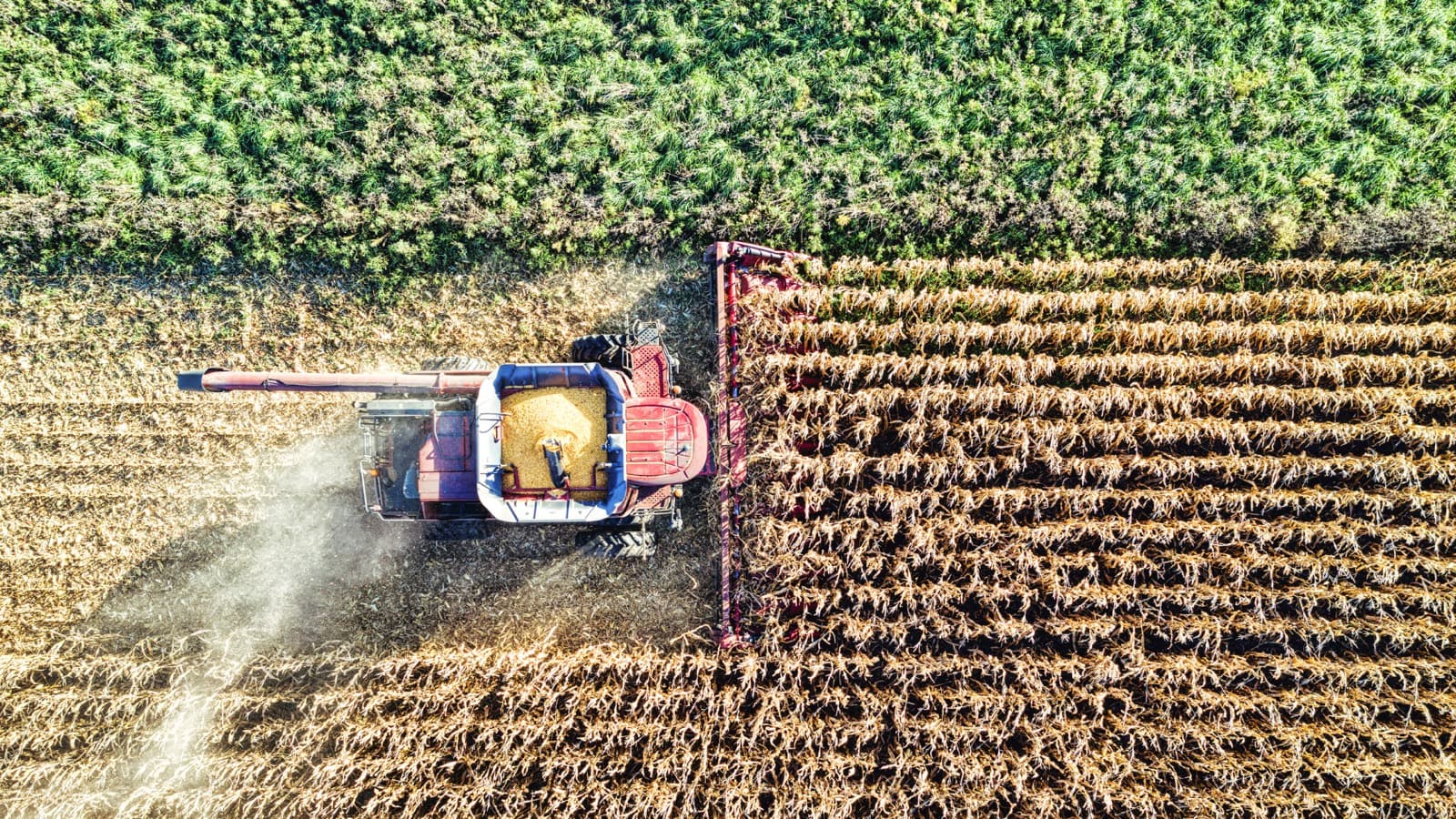
Farm waste turned into liquid biofertilizer, on site.
Recognition

Inaugural cohort · Atlanta 2026
RGT was chosen for the inaugural cohort of the Cox Cleantech Residency in Atlanta, one of ten companies selected from seventy-five applicants. The six-week programme opens access to Cox Enterprises’ network of corporate partners, operators and industry leaders.
The farm loop
Farms generate tonnes of organic waste every season. RGT turns that material into liquid biofertilizer, right where it will be used.
Input
Farm waste
Convert
RGT Core
Return
Liquid biofertilizer
Follow the material
Crop residues and other organic material become useful feedstock instead of a disposal problem.
The RGT Core manages the conditions that convert that material into liquid biofertilizer on the farm.
The finished liquid moves back to the soil, closer to where it will be used.
Nutrients and biological activity return to the growing cycle, supporting the next crop.
How the loop closes
Crop residues and other organic material become useful feedstock instead of a disposal problem.
The RGT Core manages the conditions that convert that material into liquid biofertilizer on the farm.
The finished liquid moves back to the soil, closer to where it will be used.
Nutrients and biological activity return to the growing cycle, supporting the next crop.
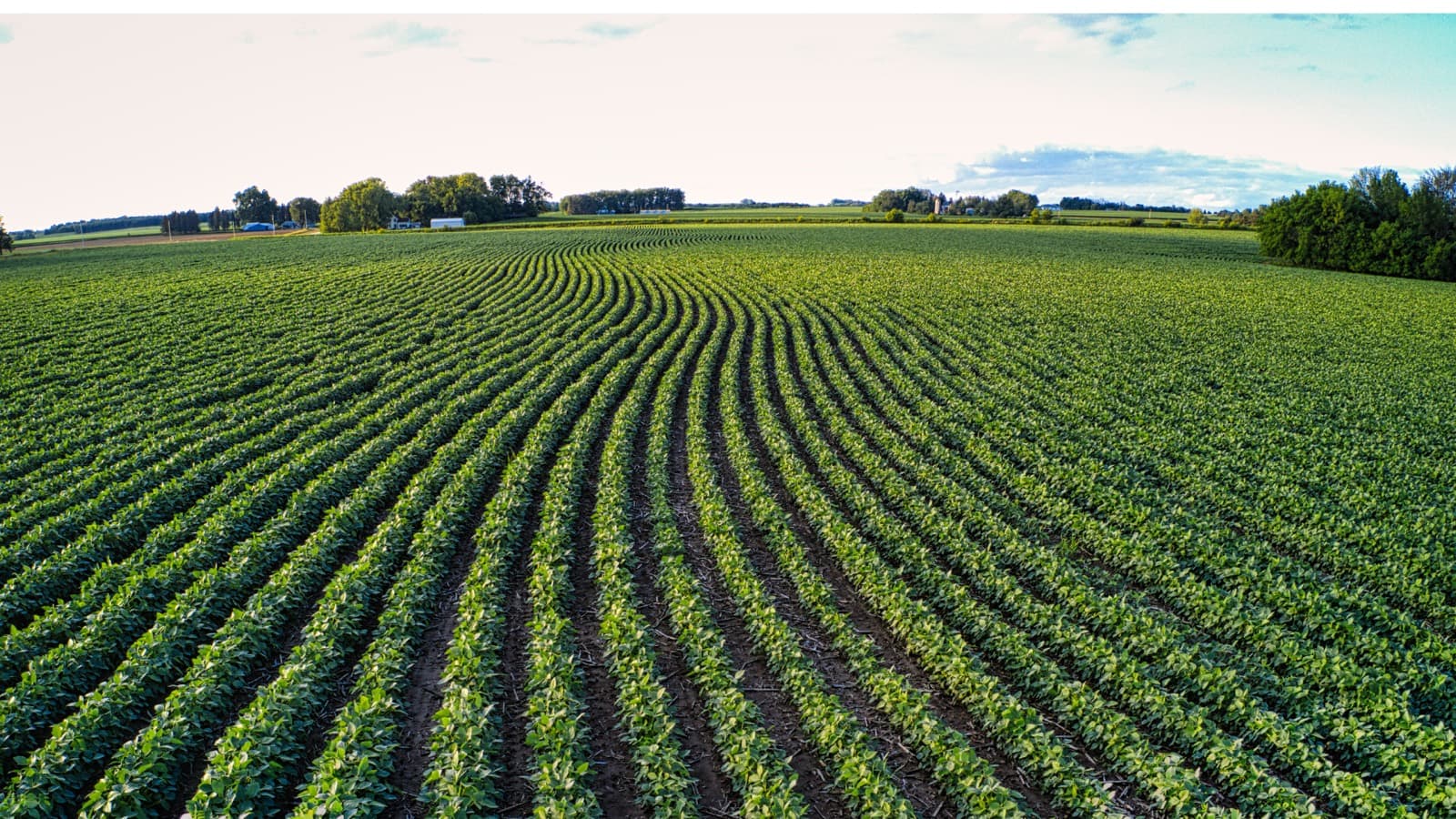
Farmers are paying more for a system they cannot control.
Fertilizer is essential, but the system behind it is fragile. Most fertilizer is produced far from the farm, moved through long supply chains and priced against energy markets, trade disruptions and geopolitical shocks.
When prices rise or supply is delayed, the farmer carries the cost.
At the same time, farms generate large volumes of organic waste. Much of it is left to rot, burned or removed, even though it still contains nutrients and biological value.
The contradiction is simple: farmers are paying more for outside inputs while useful resources already exist on their farms.
Fertilizer prices have increased sharply, putting more pressure on farm margins.
Farmers do not need another yield promise. They need more control over rising costs.
Global emissions context
Fertilizer production, transport and field use generate more than 2.6 billion tonnes of greenhouse-gas emissions each year.
Source: Ritchie, Rosado and Roser, 2020
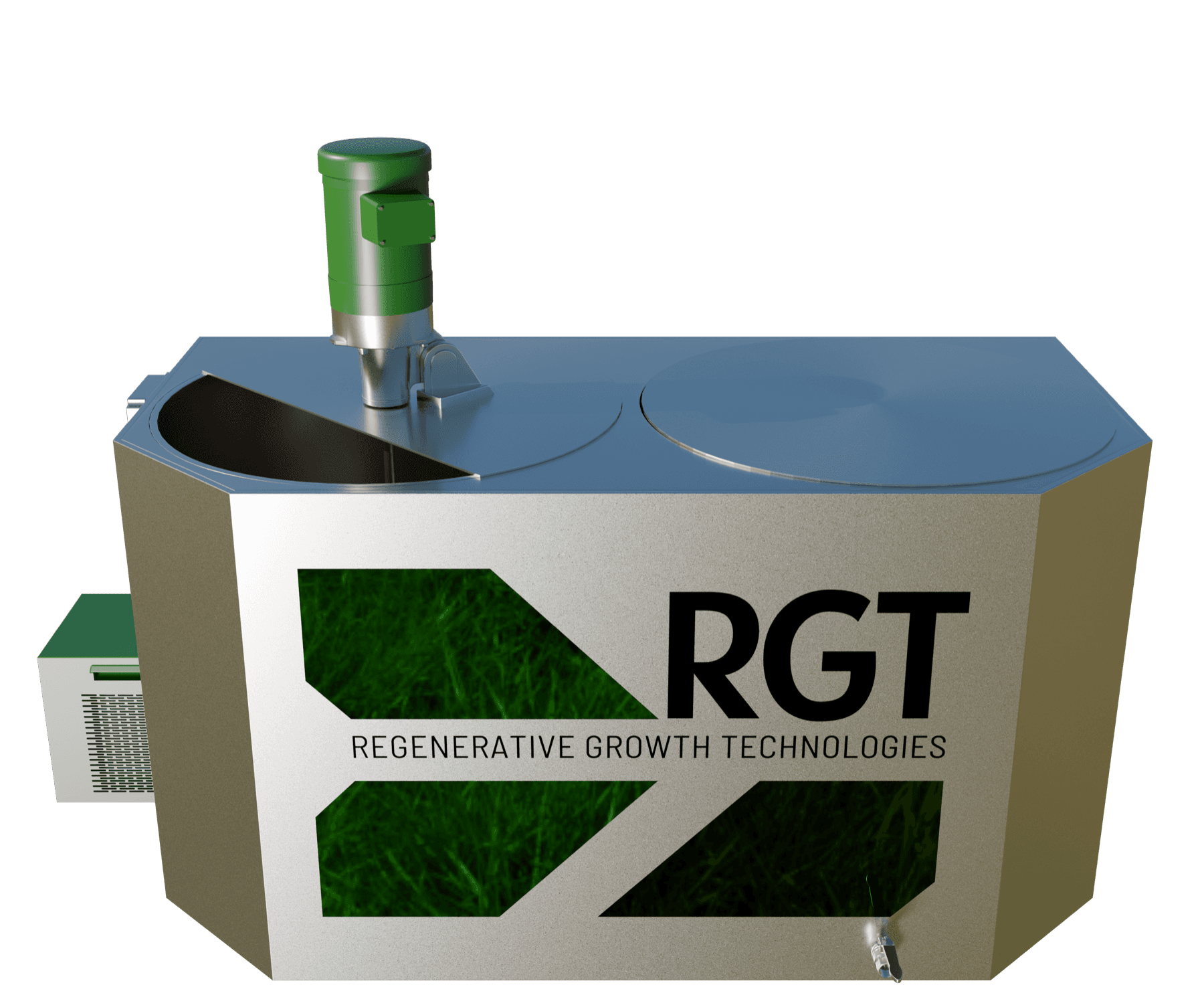
The RGT Core turns farm waste into liquid biofertilizer, directly where it is needed.
RGT Core prototype, currently under development
The process is automated, so it does not add more work for the farmer. Load the waste, start the system and let the RGT Core manage the process. Each batch is monitored to maintain the right conditions and guide consistent production.
Farm waste goes in. A usable farm input comes out. No long supply chain, fewer outside dependencies and more control in the farmer’s hands.
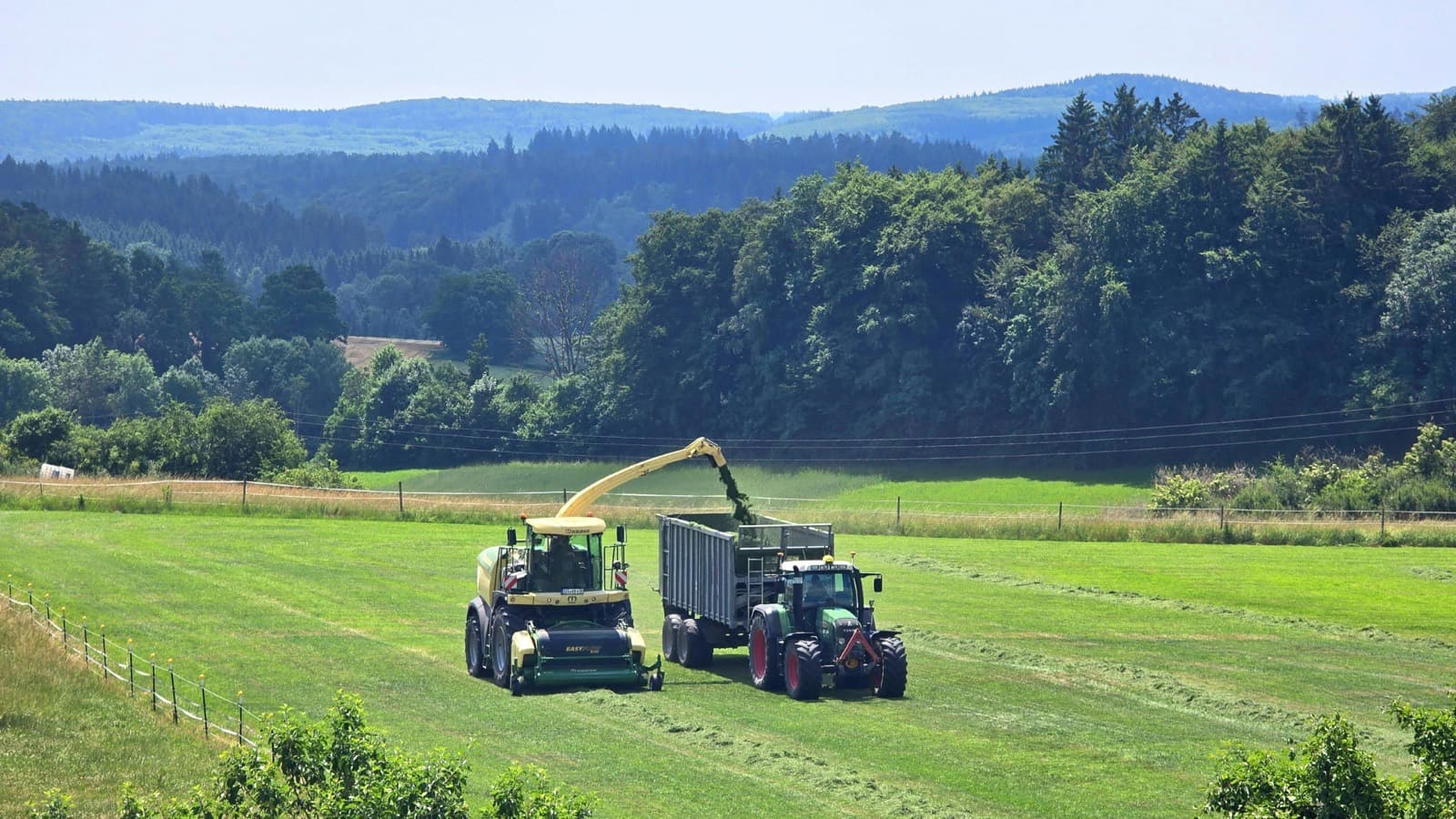
More value stays on the farm.
RGT helps farmers turn their own organic waste into liquid biofertilizer directly on-site.
Instead of relying entirely on outside suppliers, farms can begin producing part of what they need from materials they already have. This gives farmers another way to manage input costs, reduce supply risk and make better use of farm waste.
Waste becomes an input.
Fertilizer is made closer to where it is used.
Farmers keep more control over cost, supply and soil health.
Five expected outcomes

Producing biofertilizer on the farm can reduce the amount that needs to be purchased and transported from external suppliers.

The value does not depend only on growing more. It also comes from reducing costs, using existing waste and improving control over farm inputs.
.jpg/960px-Soil_Health_(20220420-NRCS-UNK-092).jpg)
RGT is designed to return nutrients and biological activity to the soil, supporting stronger nutrient cycling, root development and long-term soil resilience.
Organic residues become a productive farm input instead of something that must be burned, dumped or left to rot.

Local production can reduce the emissions linked to synthetic fertilizer dependence, long-distance transport and unmanaged organic waste.
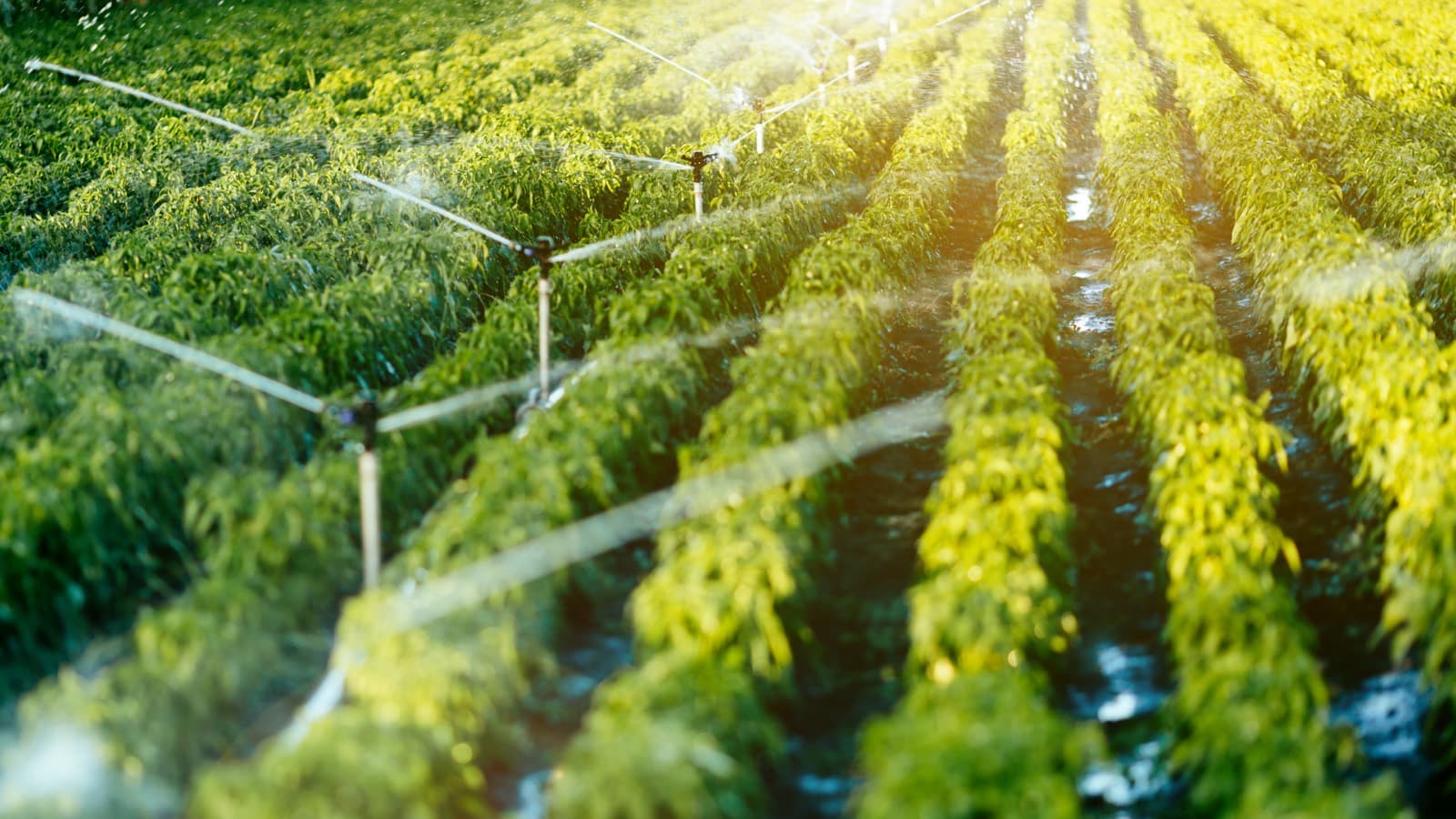
The Core only works because the machine, biology and operating process were built to work together.
Hardware built to receive farm waste, manage the process and collect the finished liquid.
RGT biological inputs help break down the material and guide the conversion process.
Each cycle follows controlled steps based on the waste available and the output the farm needs.
RGT is being built by a team with experience across agriculture, engineering, biology, software and data.
Co-founder and CEO
Idris leads the product, farm operations and commercial side of RGT. Before starting RGT, he spent almost five years building and operating an agricultural technology company.
LinkedIn
Co-founder and CTO
Benjamin leads the electrical and hardware engineering behind the RGT Core, including controls, sensors, system integration and prototype development.
LinkedIn
Co-founder and CSO
Maryam leads RGT's Bio-IT work. As a bioinformatician by training with a background in data science, Maryam has experience developing computational workflows, machine learning models, and applying data-driven approaches to extract biological insights from complex, high-dimensional data.
LinkedInWe want to hear from growers, agricultural partners and investors interested in producing fertilizer on the farm.
info@rgtech.solutions